
Color
No active offers available right now.
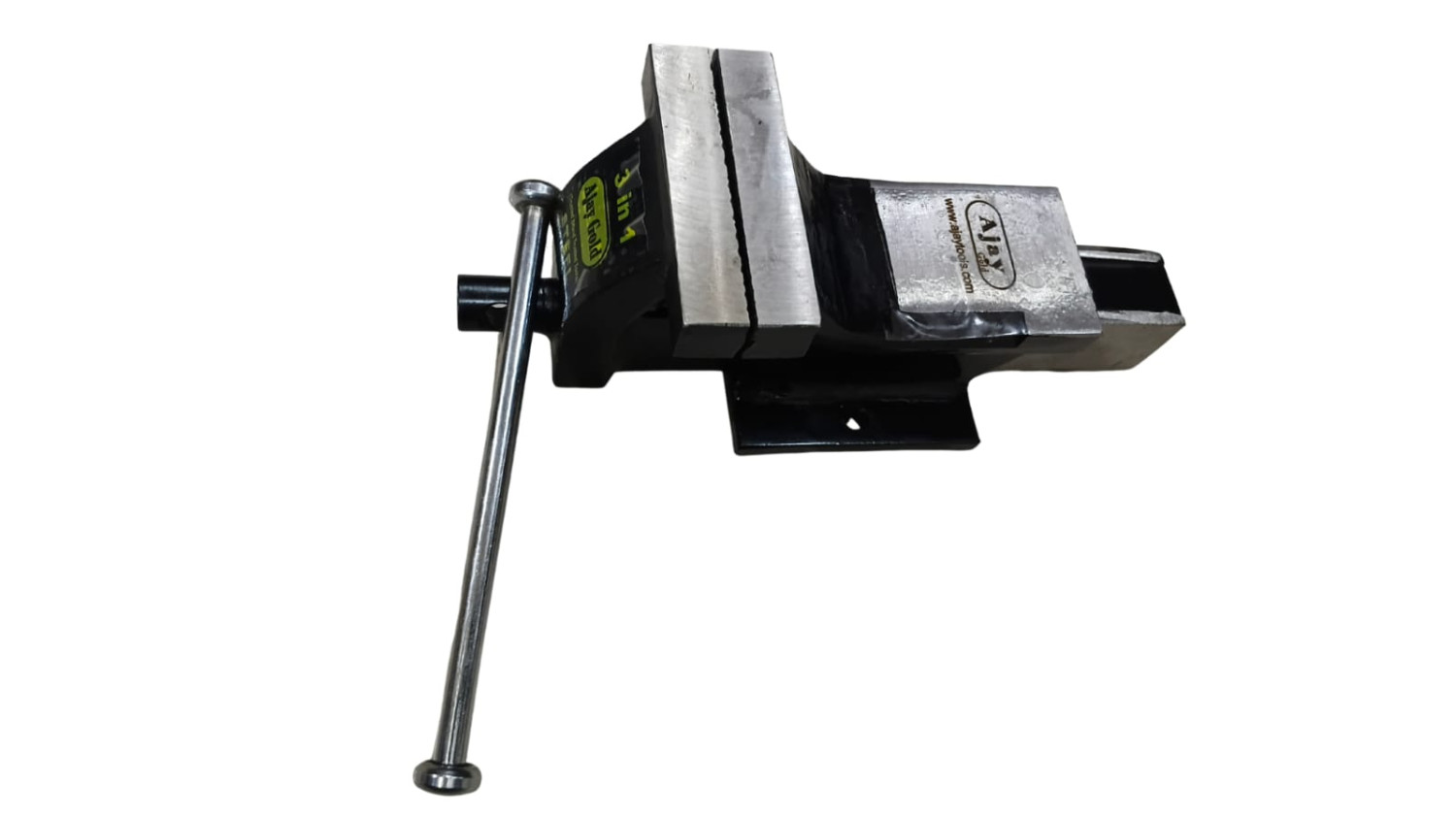
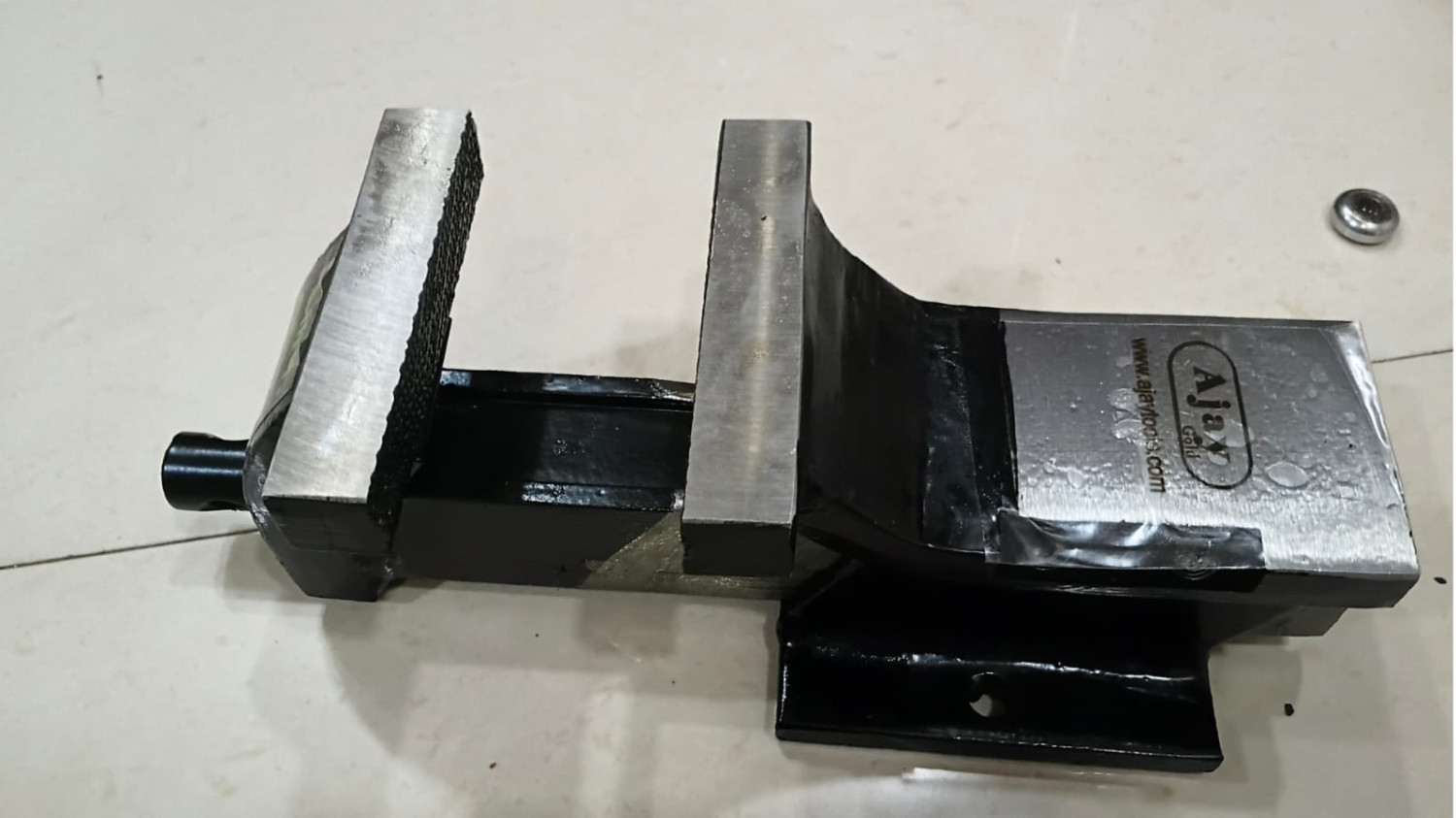
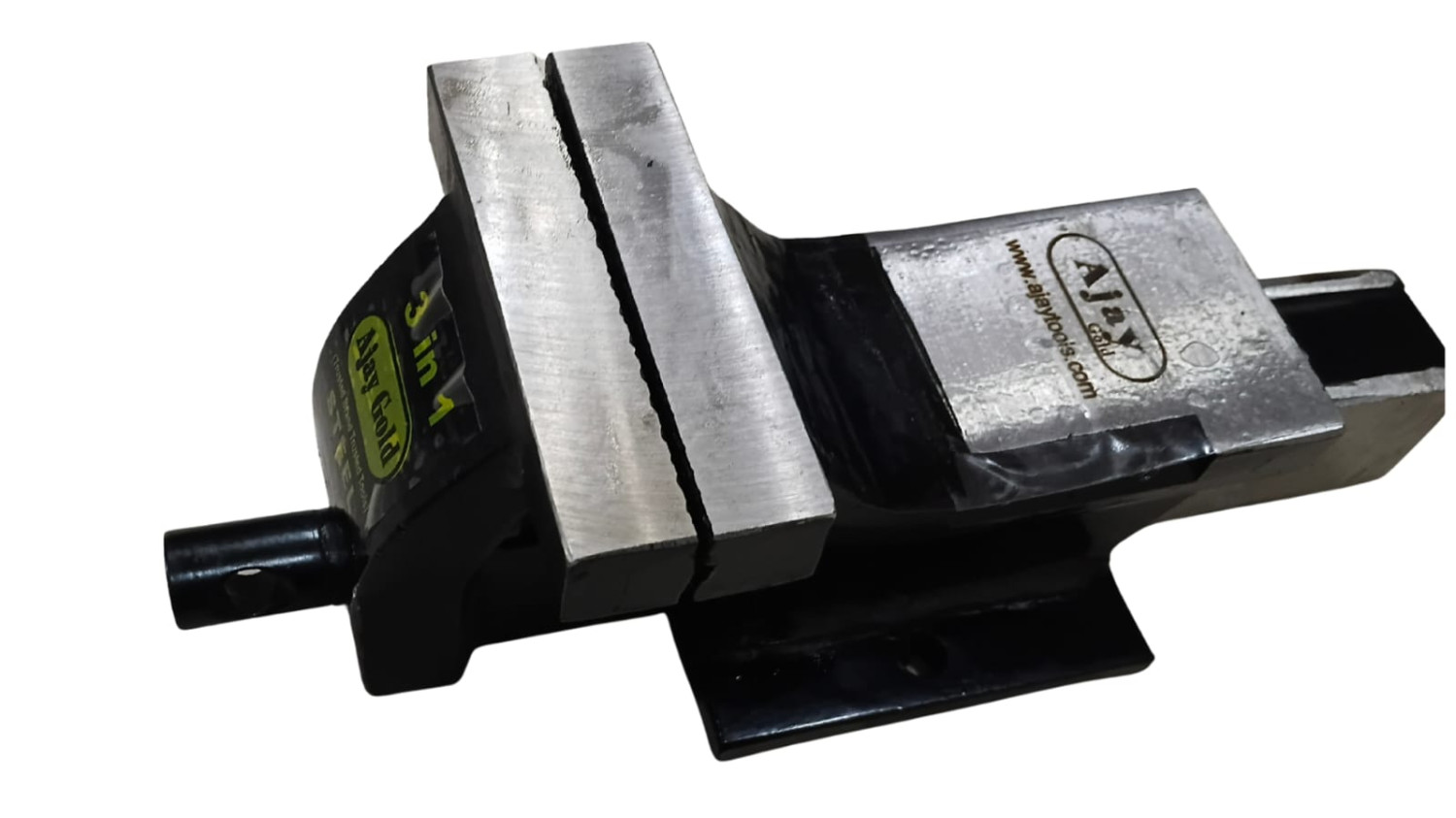
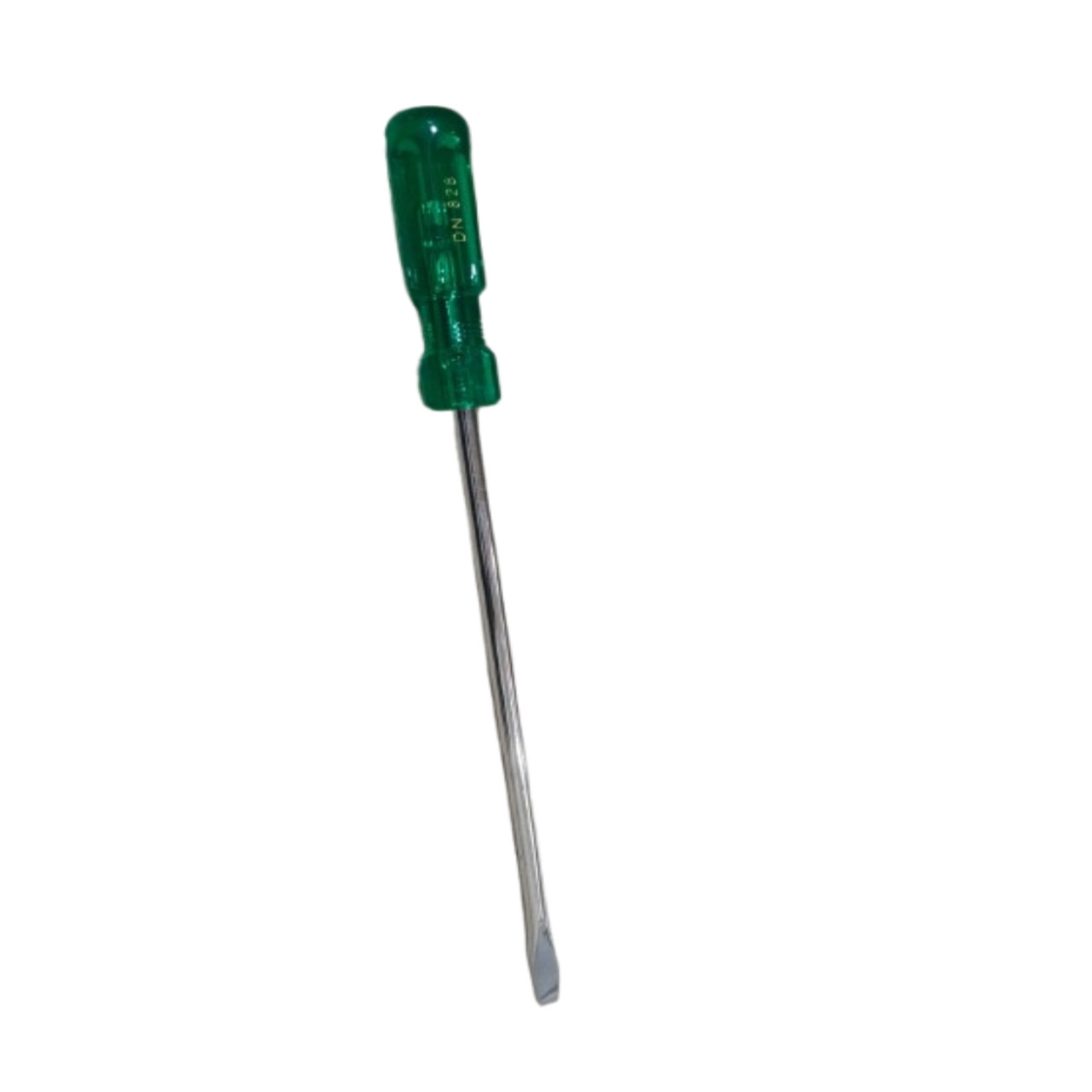
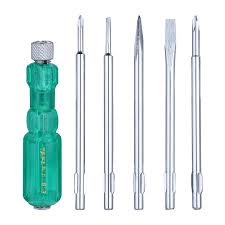
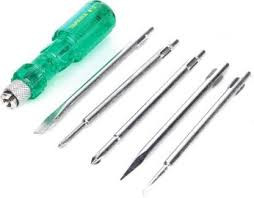
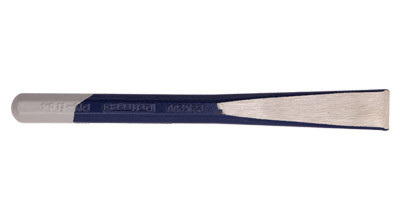
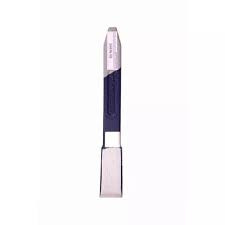
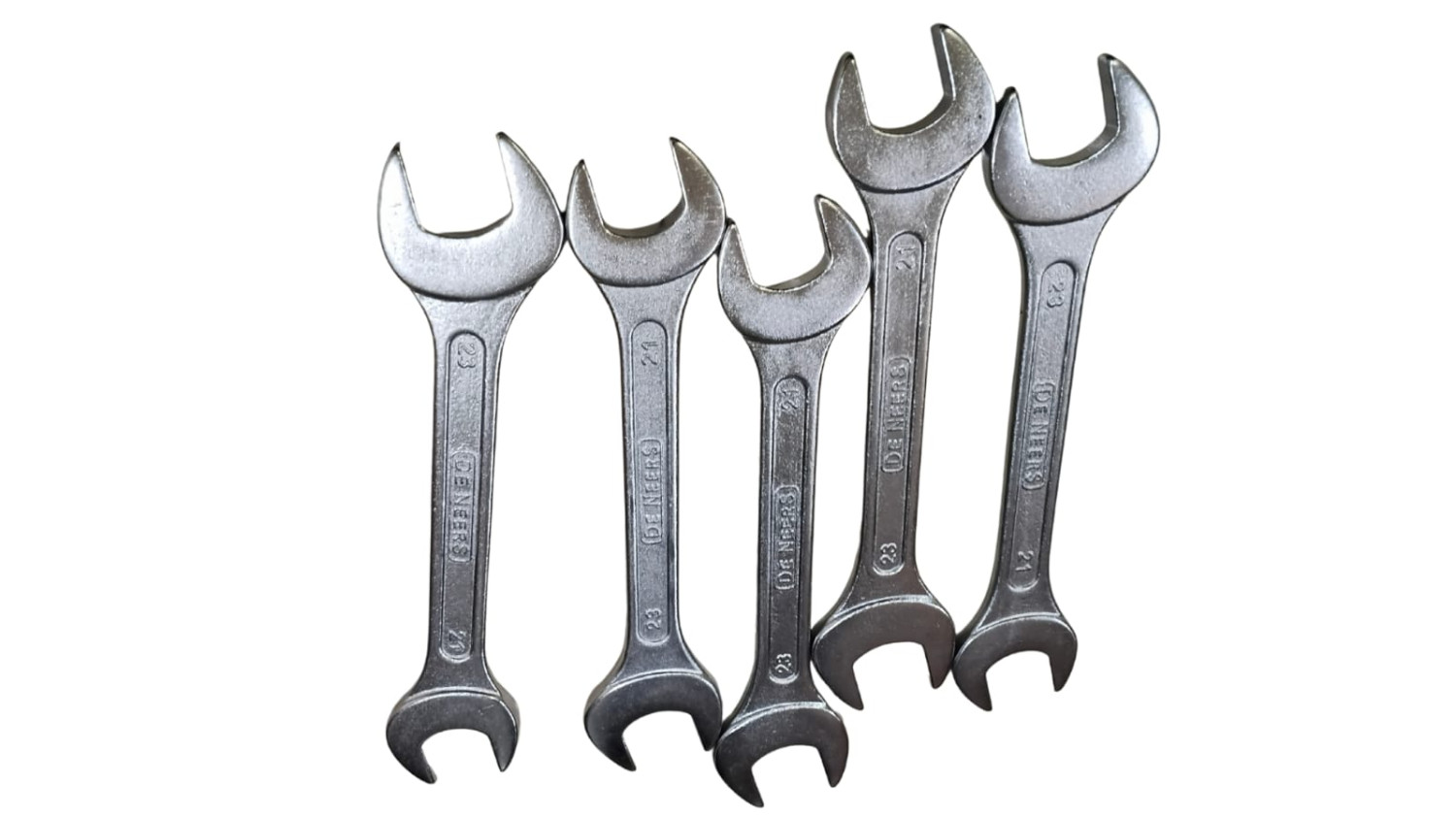
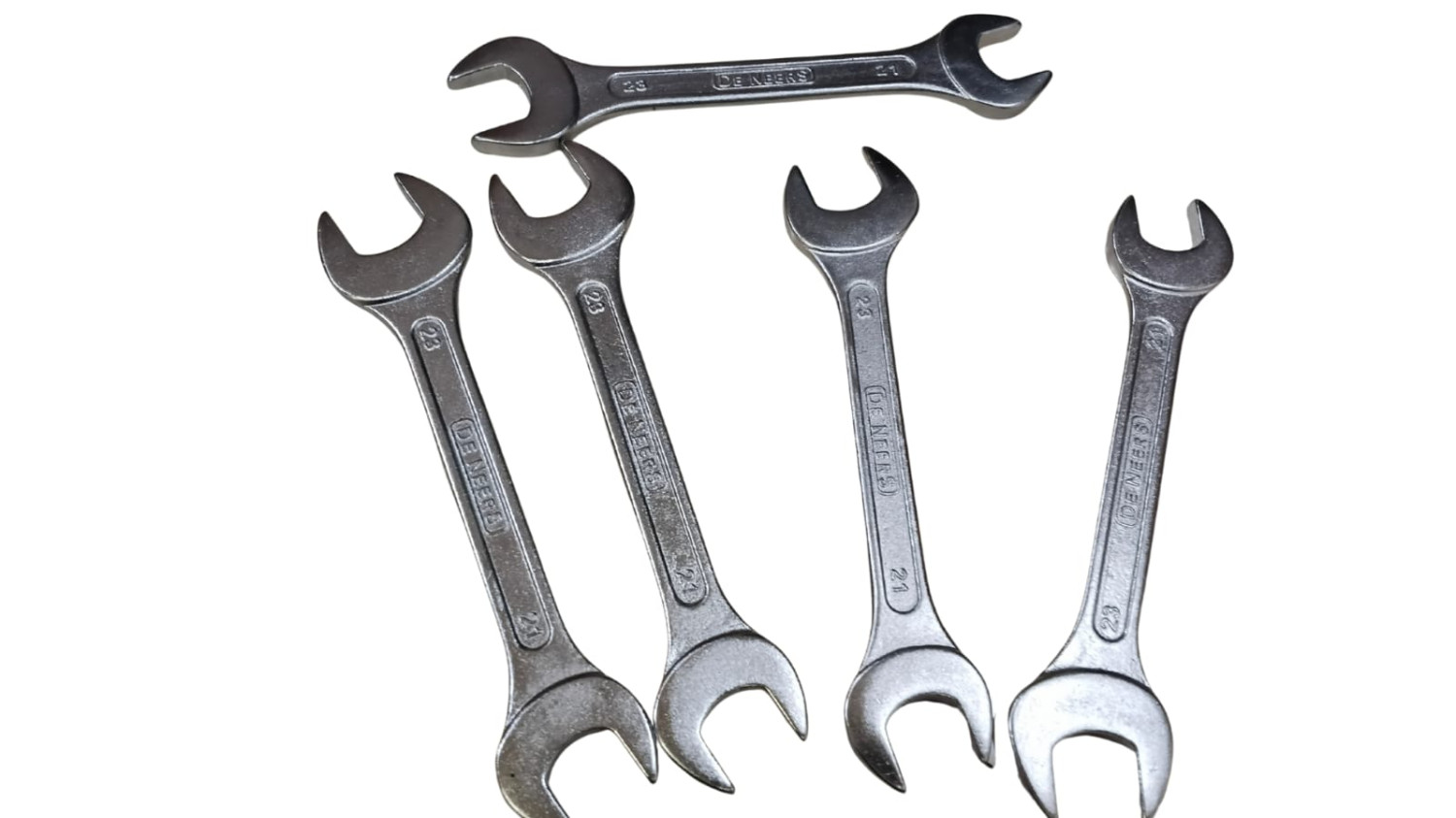
| Type of Product | Hand Tools |
|---|---|
| Brand | AJAY |
| Weight | 5.36 kg |
| Unit | Piece |
| Type of Product | Hand Tools |
|---|---|
| Unit | Piece |
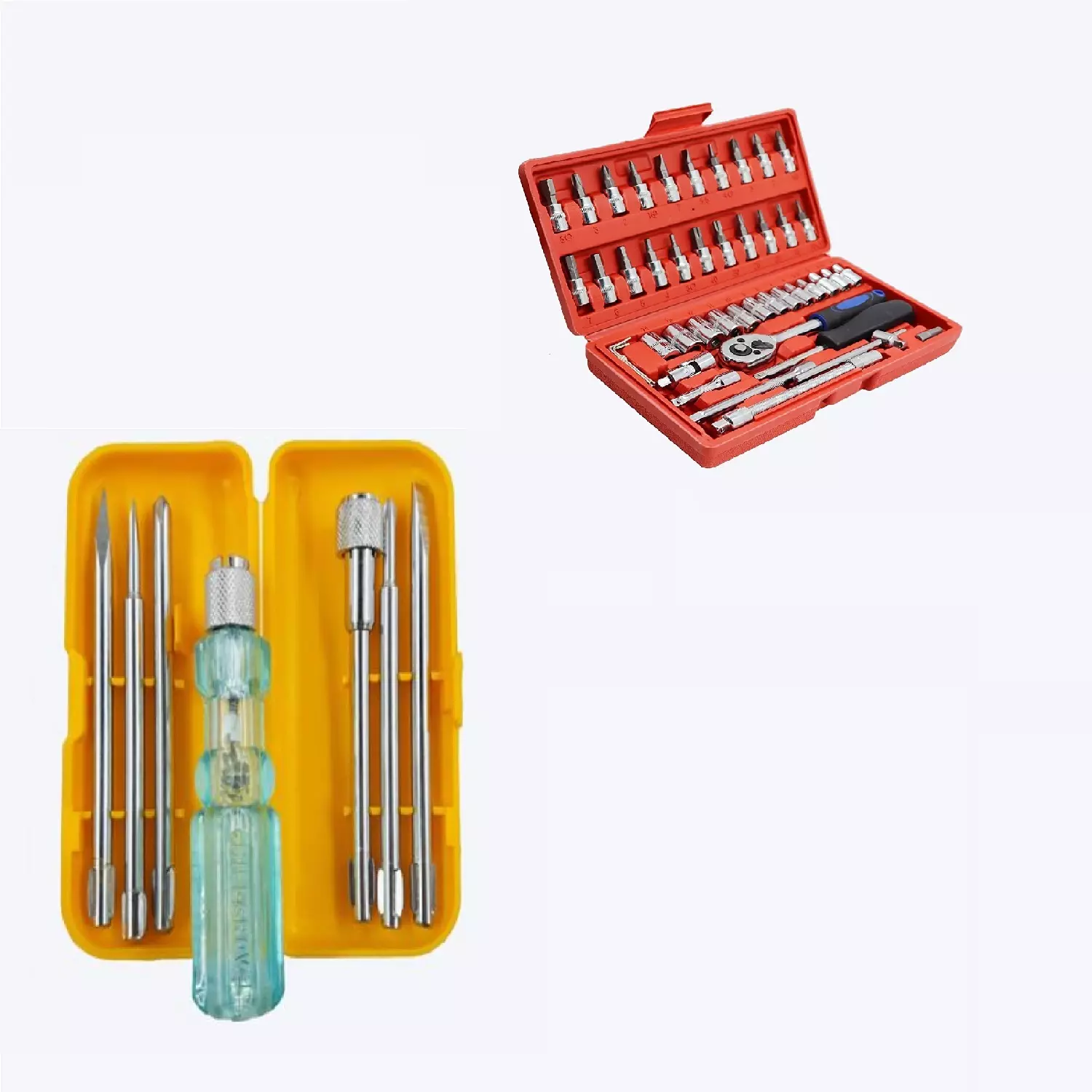
| Pack of | 5 Piece |
| Brand | AJAY |
| Shipping Type | Flat Rate |



 FLY TRAP
 Commercial Kitchen Equipment
Hand Tools
Safety
Commercial Kitchen Equipment
Hand Tools
Safety
 Food Packaging Tools
 Food Processing
 Pumps & Motors
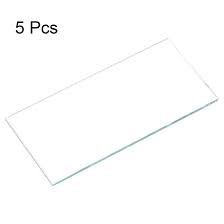 CLEAR GLASS WELDING
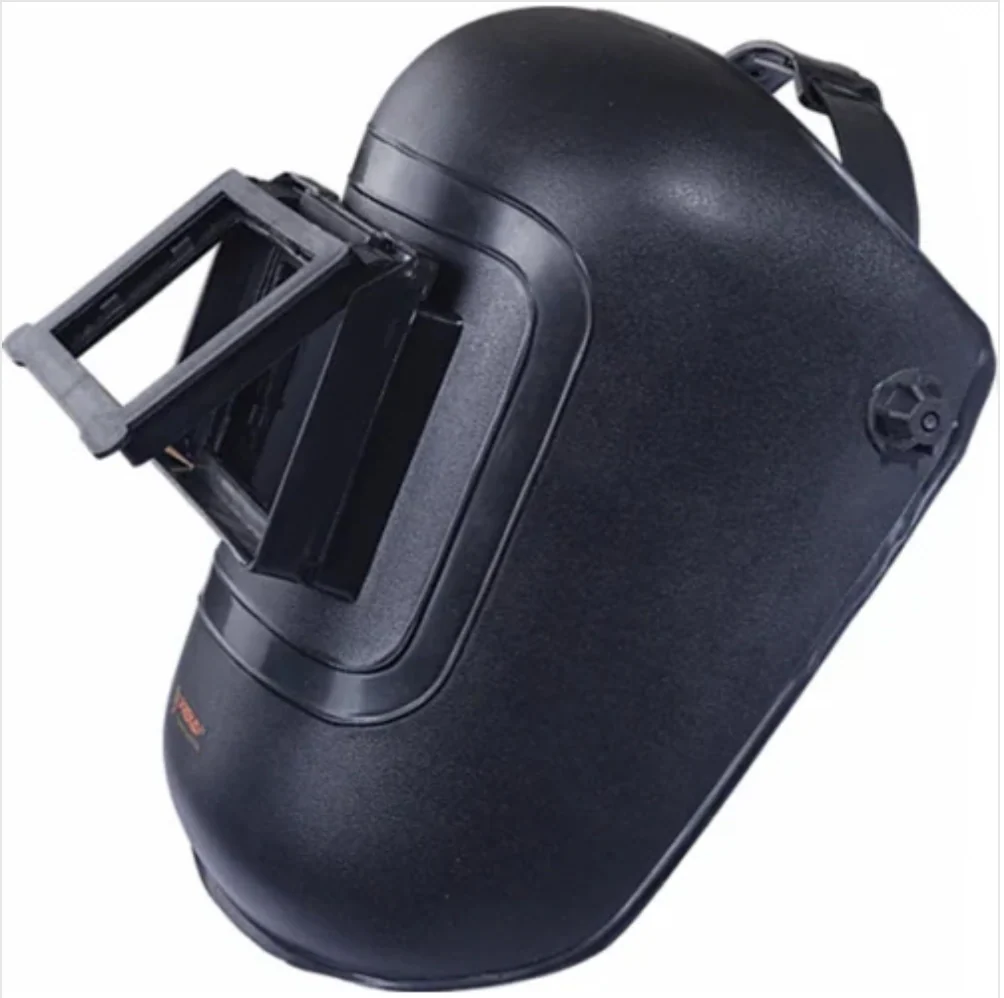 Welding Head Screen
 Sprayers
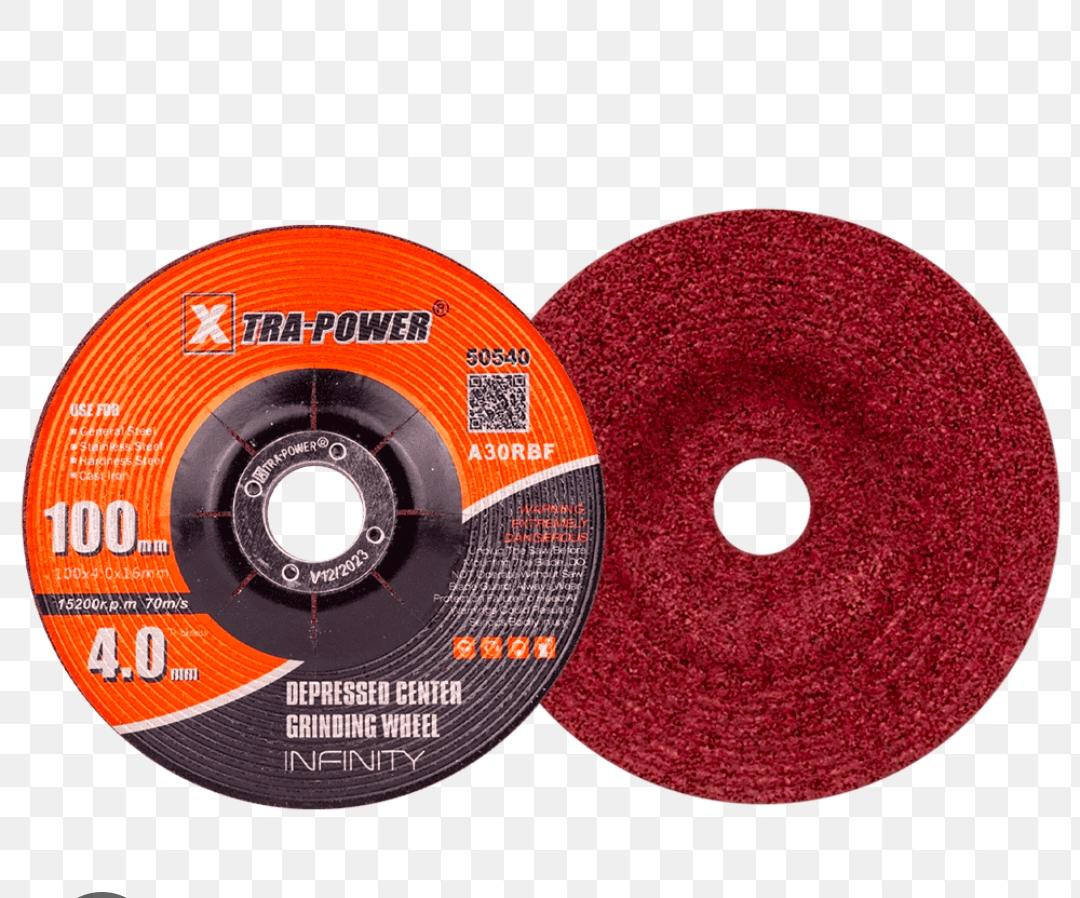 Dc wheel 7*6 MM Xtra power
 Landscaping
Abrasives
Landscaping
Abrasives
 Agriculture Garden & Landscaping
ELECTRIC
Workshop, DIY & MRO
Agriculture Garden & Landscaping
ELECTRIC
Workshop, DIY & MRO
 Power Tools
Lab & Measuring Tools
Welding Head Screen
SAFETY GOGGLES
WELDING HAND SHIELD
BOLT CUTTER
HAND TOOLS
Power Tools
Lab & Measuring Tools
Welding Head Screen
SAFETY GOGGLES
WELDING HAND SHIELD
BOLT CUTTER
HAND TOOLS


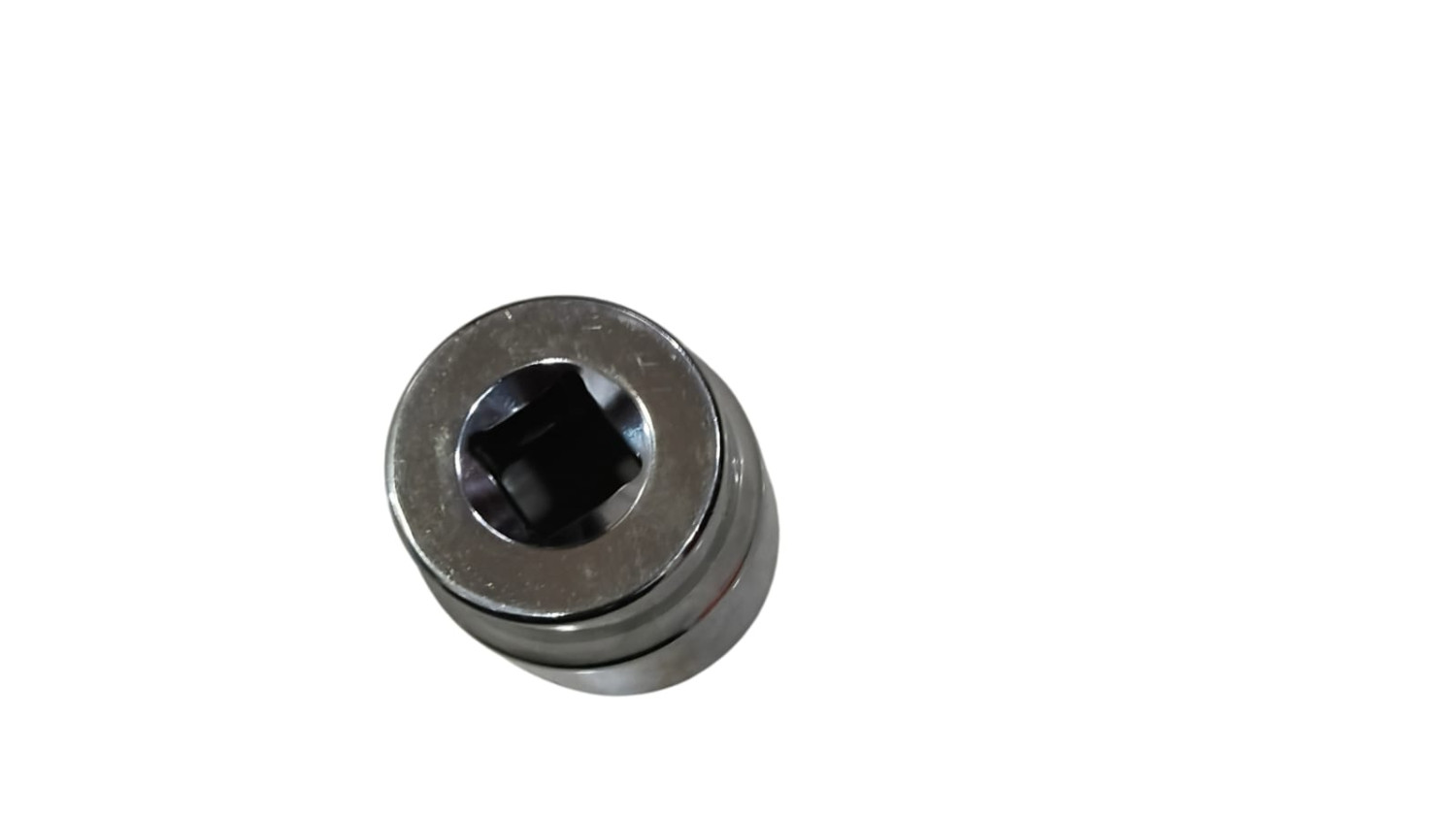
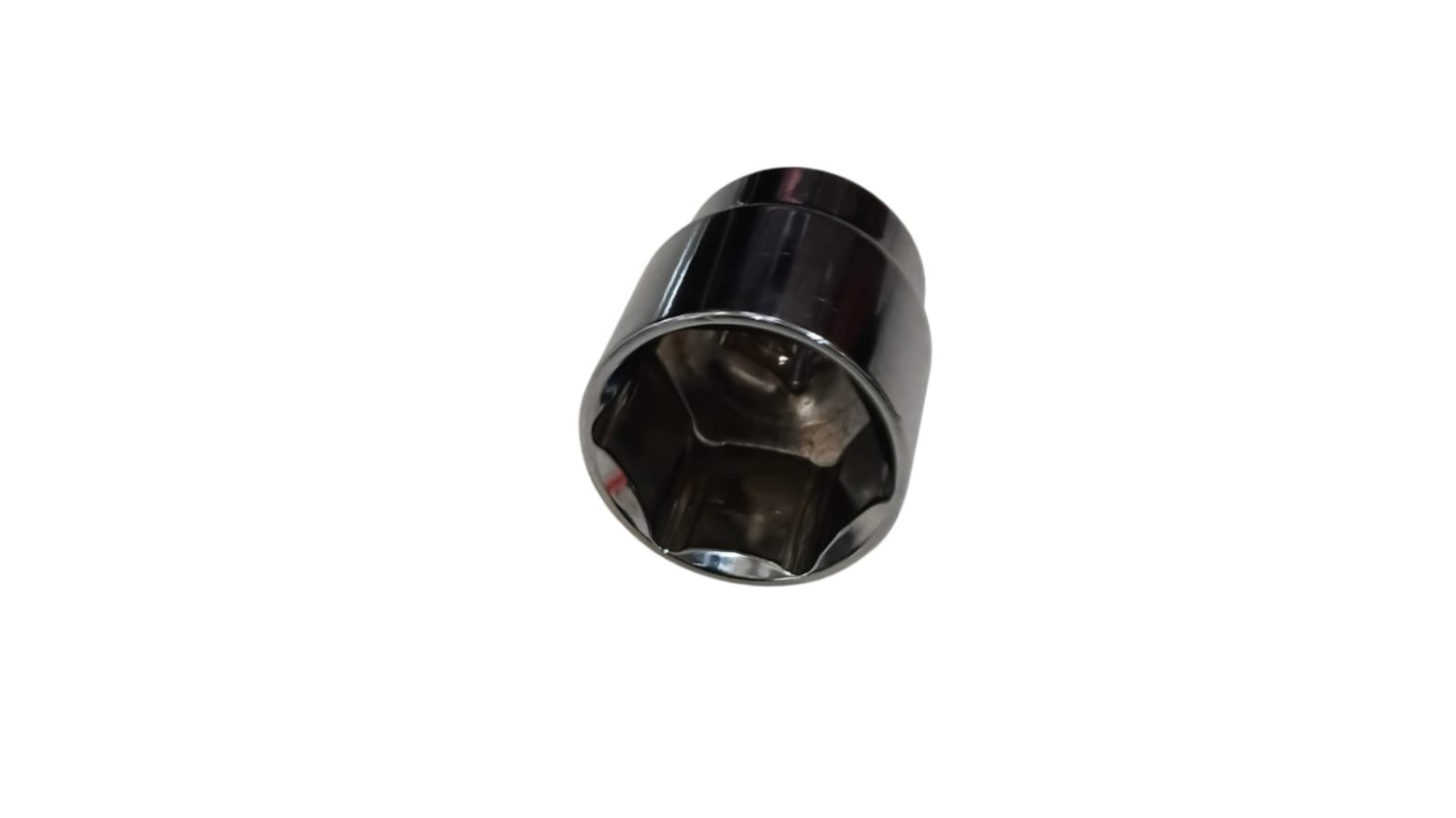
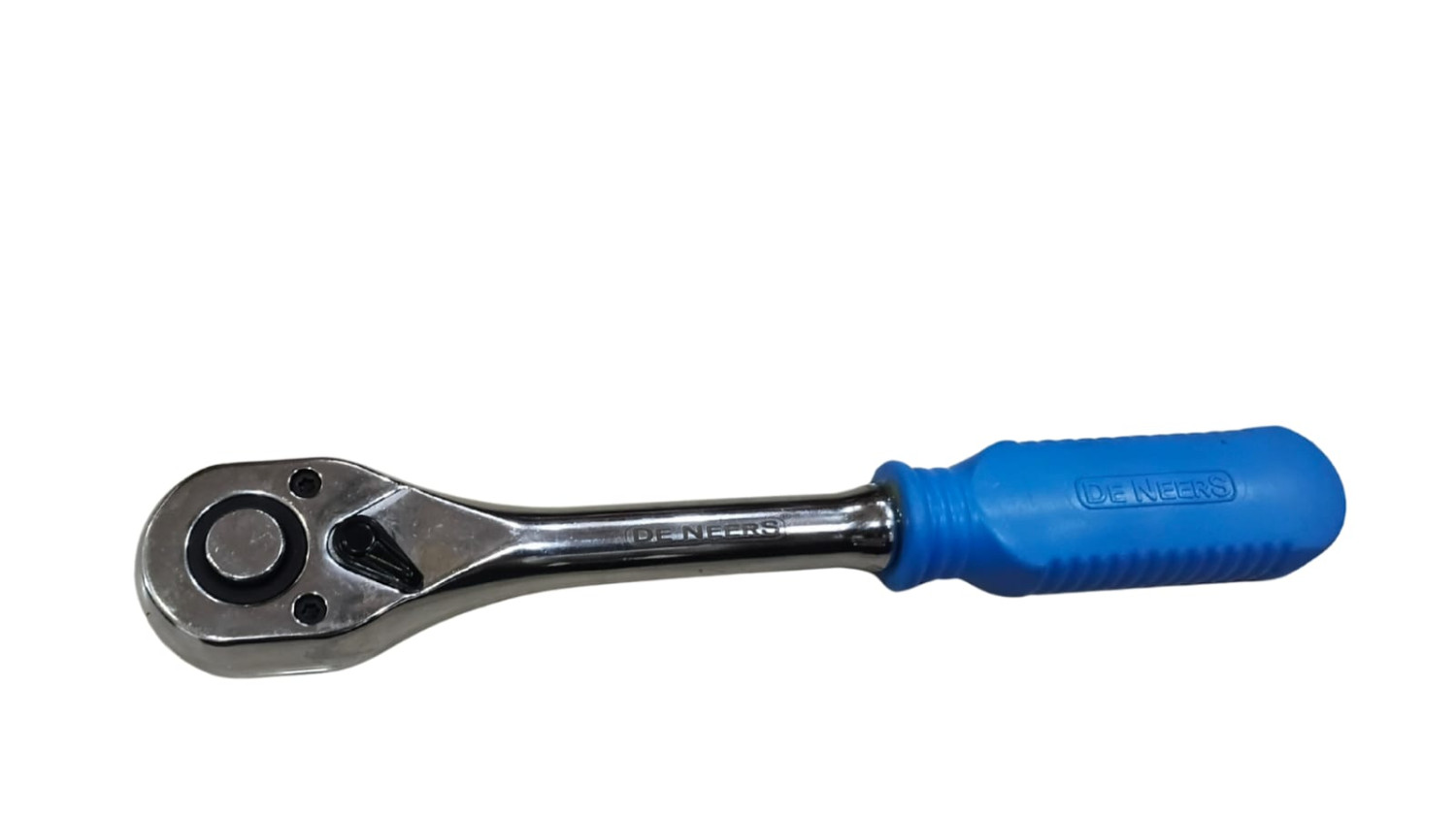


Share with Friends
Trading is more effective when you share products with friends!Share you link
Share to